
Realistic Hair LOC and LCO on a real wash day
Liquid, oil, cream — which order holds water on high porosity, which order stops blocking low porosity, and why the acronym is not a personality.
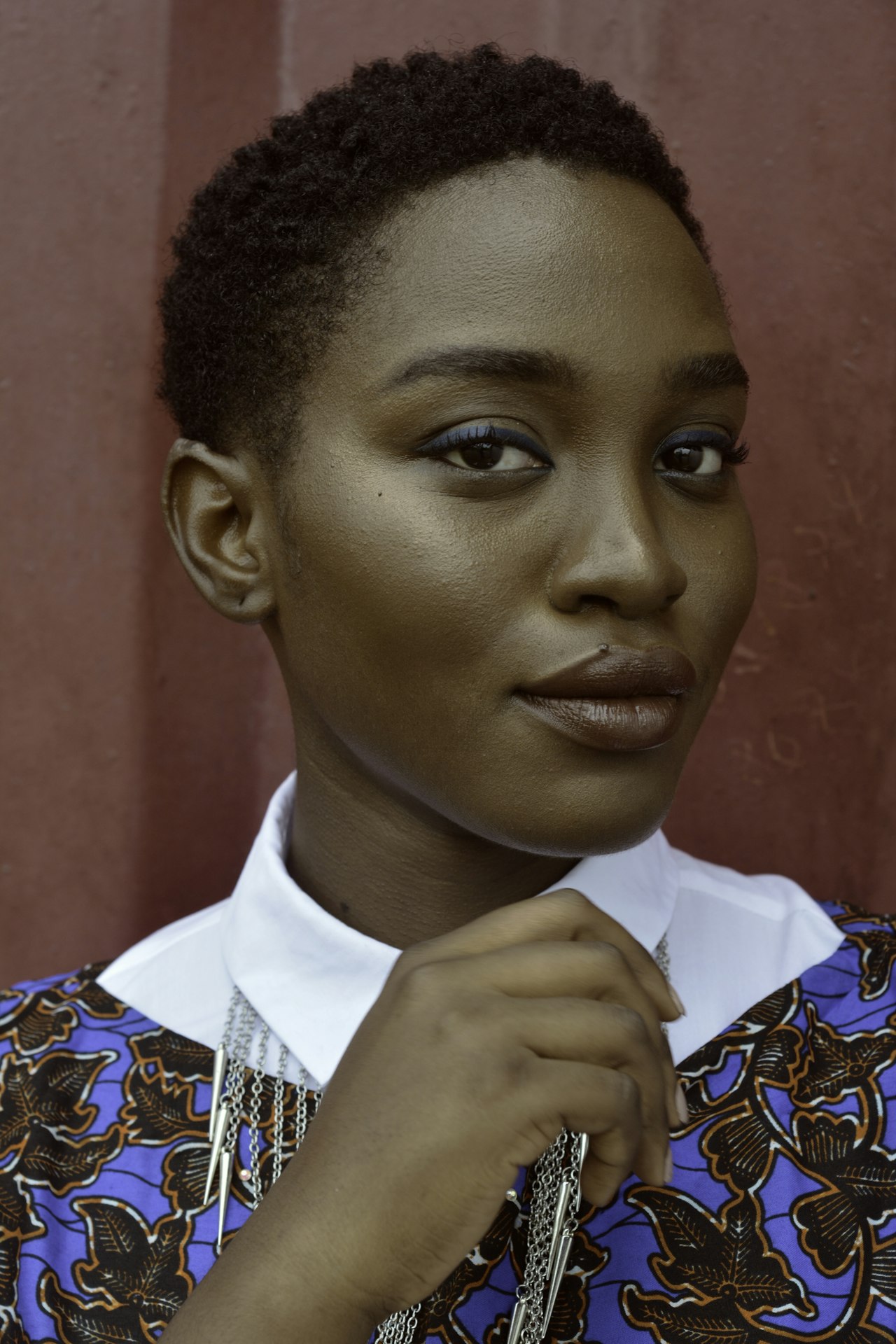
LOC and LCO are community shorthand for the order you put water-based moisture and seals on wet hair — especially on coily and tightly curly patterns that lose water fast along a zigzag. They are not laboratory codes and not medical protocols. LOC means liquid → oil → cream. LCO means liquid → cream → oil. Educators such as StarPuppy (and a long Type 4 care tradition already summarised on care by type) treat the choice as a porosity decision more than a Walker-letter decision: high porosity often likes oil earlier as a seal over water; low porosity often wants cream before a light oil so butter does not sit on a closed cuticle. This page is the order map. Run the porosity test before you marry an acronym.
What each letter is allowed to mean
- Liquid: water itself, or a water-based leave-in. This is the actual moisture. Oil is not a drink.
- Oil: a sealing layer (jojoba, grapeseed, castor blends, and similar) that slows evaporation. On high porosity it can be rational; on low porosity a heavy oil can block the next wash’s water.
- Cream: a thicker emulsion — cream moisturiser, butter-cream, or styling cream — that adds body and another film. Cream is still not pure water.
If you reverse the jobs — oil first on a thirsty high-porosity coil with no water underneath — you seal dryness in. That mistake is why the acronym wars exist.
LOC — liquid, oil, cream
Common pattern for higher porosity or weather-beaten cuticles: soak or mist, apply leave-in (liquid), add a light oil to slow the rush of water back out, then cream for body and definition. StarPuppy-style 4C explainers often place LOC here because an open cuticle drinks fast and empties fast; oil in the middle is the dam. Bleached or heat-damaged Type 3 can land in the same stack even when the letter is 3B. Confirm with behavioural drying time on the porosity page, not with a brand label that says “for 4C.”
LCO — liquid, cream, oil
Common pattern for lower porosity: liquid leave-in, then cream while hair is still wet, then a light oil only if ends still feel exposed. Cream before oil keeps a heavy seal from sitting on a cuticle that never opened. Warmth (a warm towel, not a burning iron) helps the liquid step. If LCO still pills on top of the shaft, you are stacked too heavy — porosity wins on weight, as care by type already says.
How Type 4 geometry changes the stakes
Coily hair has more surface area per centimetre of visible length. Sebum travels poorly along a Z or tight coil, so ends read dry while the scalp may still be fine. That is why Type 4 routines talk sealing at all. It is also why dry length is a bad growth metric — see hair shrinkage for the spring physics. LOC/LCO will not stretch a coil permanently; twists and braids stretch temporarily without requiring heat. Painful tension is still a stop sign.
Fine coily hair and coarse coily hair do not hold the same cream dose. Density and thickness are separate axes on porosity and the science pages; the acronym does not measure them.
A bathroom decision tree
- Know your family from identify your hair type and the coily notes if you are in Type 4.
- Guess porosity from wetting speed, dry time, and product behaviour — porosity test.
- If hair drinks water and is crunchy-dry two hours later → try LOC.
- If products sit on top, hair takes forever to wet, and oil makes it greasy by noon → try LCO with less oil.
- If neither works, clarify film once, then re-check protein versus water on protein versus moisture. Mushy stretch is not fixed by more butter.
What LOC/LCO will not do
They will not replace scalp cleansing. They will not cure breakage from tight styles. They will not turn 4C into 3A. They are an order for holding water you already applied. Pair them with the shared wash-day sequence on care by type: cleanse scalp, condition with slip, then LOC or LCO on wet lengths, then styler if you need definition, then gentle dry and night protection.
Community practice and educator videos disagree on brand lists; they agree more often on wet application and porosity. After you pick an order for this month, stop renaming it every time humidity shifts. Re-test porosity when you bleach, heat-damage, or cut off years of weathered ends — the acronym follows the cuticle you have now.
Frequently Asked Questions
Quick answers to the most common questions.
Is LOC better than LCO?
Neither is universally better. High porosity often prefers LOC (oil earlier as a seal). Low porosity often prefers LCO (cream before a light oil). Test drying time and feel, not the acronym alone.
Is oil a moisturiser?
No. Oil seals. Liquid (water or water-based leave-in) is the moisture step. Sealing dryness in is the classic LOC mistake.
Do I need LOC if I am Type 3?
Only if your porosity and dryness ask for a seal. Many Type 3 routines stop at leave-in plus cream or gel. See curly hair and care by type.
Can LOC fix breakage?
It can reduce dryness-related roughness. Breakage from tension, dry combing, or disease needs different answers — and a clinician when pain or patches appear.