
Realistic Hair 4A, 4B, and 4C without the myth pile
Crochet-needle coils, Z-bends, and packed zigzags — judged on a clean air-dry, with Walker history kept honest.
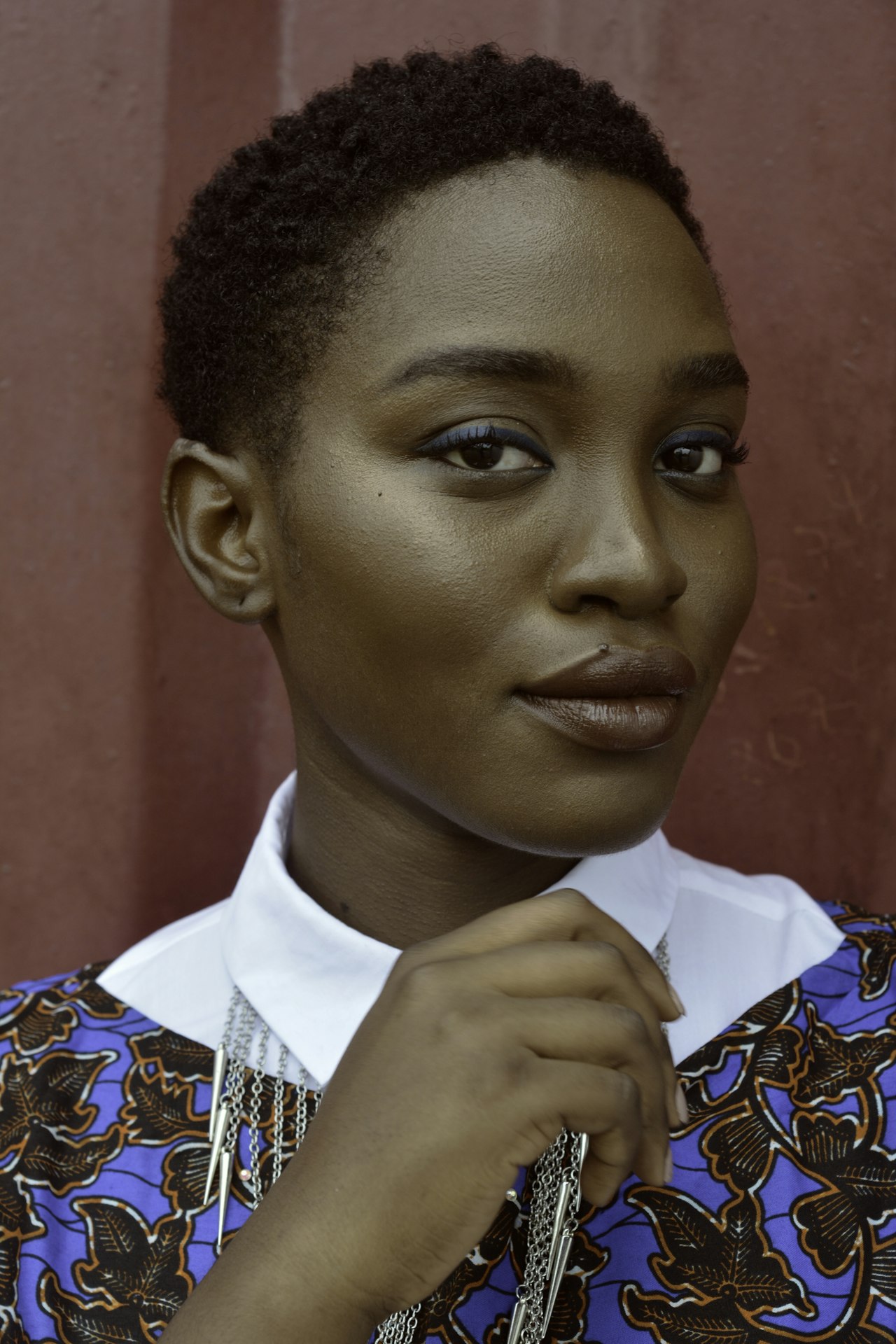
Type 4 on the Andre Walker chart is the coily family: 4A, 4B, and 4C as the internet search labels for tighter and tighter geometry. Walker’s Andre Talks Hair! (Simon & Schuster, 1997) popularised numbered families for product talk; community charts and later product lines filled in 4C after the original book’s thinner Type 4 description — the same dating this wiki already uses on typing systems and coily. Wikipedia-style summaries, Curl Centric, Mayvenn type guides, and educators such as Breanna Rutter (natural hair types explained for 4A / 4B / 4C) converge on a practical picture: 4A still shows a small coil, 4B bends in a Z, 4C packs a tight zigzag with the least definition and the most shrinkage. This page is the subtype border guide. The family overview remains coily hair. The assignment method remains identify your hair type. The table remains the hair type chart.
4A — small coil, still readable
4A coils are springy S- or O-shapes. On many wrap-test charts they sit near crochet-needle width. Isolate a dry strand and you can still see a coil, not only a fuzzy outline. Shrinkage is real but wash-and-gos and defined styles are often possible when porosity and density cooperate. If your dry mirror still shows pencil-width corkscrews without stretching, read curly 3C before you claim 4A — the 3C/4A border is the Type 4 version of the 2C versus 3A fight. Full subtype notes: type 4A.
4B — Z-pattern, fluffy at a distance
4B bends at sharper angles. From across a room the pattern can look soft or cottony rather than spiralled. Stretch a strand and the Z repeats. Photos flatten 4B into 4C and vice versa; in person, 4B keeps some angular rhythm. Product weight still follows porosity more than the letter. Subtype page: type 4B.
4C — tight zigzag, definition optional
4C is the tightest common label. The loop may not read until you pull a single fibre. Shrinkage is often extreme — community ranges of roughly 50–75%+ match what hair shrinkage and the coily hub already cite. Least wash-and-go definition in product marketing does not mean “damaged”; it means more bends per centimetre and more friction sites. Finger-detangling, serious slip, and protective styles that do not hurt are load-bearing habits. Subtype page: type 4C.
Walker original versus later 4C
Treat 4C as a later fill-in that searchers still need. The 1997 hardcover did not ship the twelve-box grid the internet memorised. Later natural-hair communities expanded letters so people could shop and compare. That history is not a reason to delete 4C from your notes; it is a reason not to pretend the alphabet arrived with the follicle. LOIS and other systems sit on other typing systems when Walker’s letter fails you.
3C versus 4A border
3C still looks like a corkscrew in the mirror. 4A is a smaller coil, often obvious only when stretched, with more shrinkage on average. Crown 4A with nape 3C (or the reverse) is ordinary mixed patterning. If you must pick one letter for product weight, prefer the tighter pattern that survives a clean air-dry, then still read both family pages. De La Mettrie et al. (2007) describe shape as a continuum; these bins are neighbours, not species.
A five-check Type 4 subtype pass
- Cleanse, skip styler, air-dry — same rules as identify your hair type.
- Look at mid-lengths in daylight, not only a wet shower clump.
- Isolate one dry strand. Clear small coil → 4A in play. Sharp Z without a round coil → 4B in play. Dense zigzag with no obvious loop until stretched → 4C in play.
- Optional wrap test: crochet-needle language shows up on community charts for 4A; do not force a wrap on a zigzag that will not hold a tool width.
- Note shrinkage. Extreme dry-versus-stretched change supports a tight Type 4 label but does not by itself pick A versus C.
Mixed zones win on honesty: write “4B/4C” if that is what you see. Care for the tighter geometry’s friction and sealing needs via care by type.
What the subtype cannot tell you
Porosity, density, thickness, and scalp health. Fine low-porosity 4C and coarse high-porosity 4A do not share a butter. Run the porosity test. Protein timing is protein versus moisture. Shrinkage physics and length tracking are hair shrinkage.
Language note
Walker’s book used words many readers now reject. This wiki says coily for the family and keeps 4A–4C as search labels. Nothing about a tighter letter is “less healthy” by default. Breakage is usually mechanical plus dryness. After you place a letter, open type 4A, type 4B, or type 4C, keep the hair type chart nearby, and ignore any video that assigns subtype on soaking hair alone. The dry zigzag either shows a coil, a Z, or a packed wave of bends. That is the whole exam.
Frequently Asked Questions
Quick answers to the most common questions.
Was 4C in Andre Walker’s original book?
The 1997 book’s Type 4 section was thinner than today’s twelve-box grid. Community charts and later lines popularised 4C as a search label. See typing systems.
How do I tell 4A from 3C?
Is 4C just damaged 4A?
No. 4C is a tighter pattern. Damage is breakage, porosity, and split ends, which can appear on any letter.
Which subtype should decide my products?
Use the tighter pattern that survives an air-dry for weight and friction habits, then let porosity override stacked butter. Start at care by type.